Energy-efficient cleaning methods: Tips for maintaining a clean home while saving resources
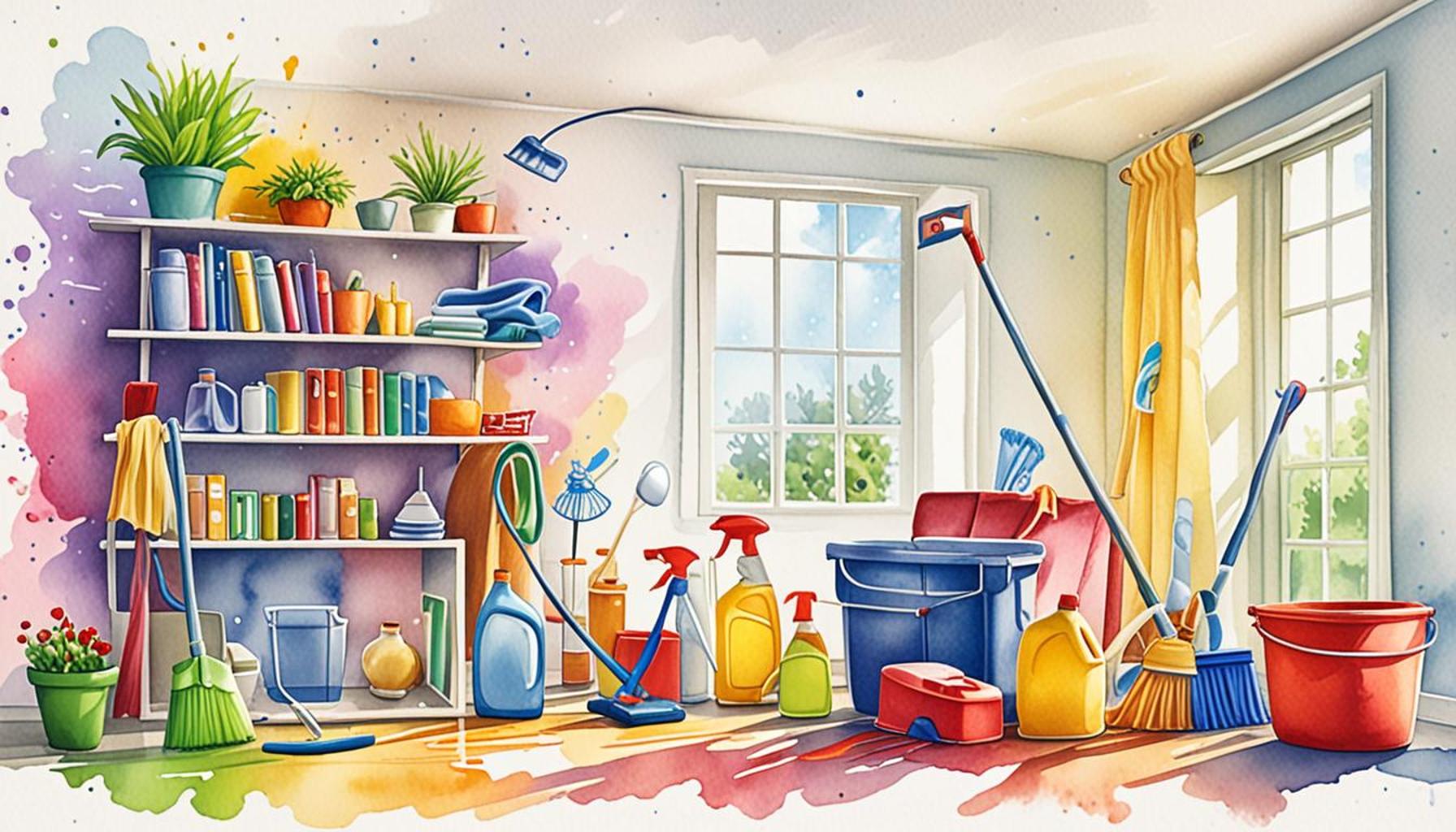
The Shift Toward Eco-Friendly Cleaning Practices
As environmental concerns become ever more pressing, many homeowners are seeking ways to clean their spaces that align with a sustainable lifestyle. Traditional cleaning methods, which often rely on harsh chemicals and excessive water use, carry a considerable environmental footprint. By shifting to energy-efficient cleaning methods, not only can you maintain a clean home, but you can also contribute to the health of our planet.
Transitioning to sustainable cleaning practices offers a multitude of benefits, including cost savings. For instance, many eco-friendly cleaning products are concentrated formulas that require less product per use and often have a longer shelf life. This means less frequent purchases and less waste. Here are several practical strategies you can implement:
- Use biodegradable cleaning products: These products break down naturally and do not release harmful chemicals into the environment. Brands like Seventh Generation and Mrs. Meyer’s offer a range of options that are tough on dirt yet gentle on the planet.
- Opt for energy-efficient appliances: Investing in ENERGY STAR-rated appliances, such as washing machines, dishwashers, and vacuum cleaners, can dramatically reduce energy consumption. For example, an ENERGY STAR-certified dishwasher uses up to 12% less energy and 30% less water than regular models, making a significant impact over time.
- Practice water-saving techniques: While washing floors or cleaning windows, using a bucket can significantly reduce water waste compared to using a hose. Additionally, simple adjustments like fixing leaky faucets and opting for short, efficient cleaning sessions can further minimize water use.
As you explore these innovative techniques, you will find that keeping your home fresh does not have to come at a significant environmental cost. Simple changes in routine can lead to a cleaner living space while promoting eco-friendly living. Moreover, the use of reusable cleaning supplies, like microfiber cloths and washable mop pads, replaces disposable options and adds to your sustainability efforts.
Embrace the transition to a cleaner and greener home by implementing these strategies. With each small adjustment, you are playing a crucial role in the larger movement towards sustainability. By prioritizing the health of the environment through your cleaning habits, you not only ensure a spotless home but also take meaningful steps toward a more sustainable future. Let your journey to eco-friendly cleaning begin today!
DISCOVER MORE: Click here to simplify your weekly tasks
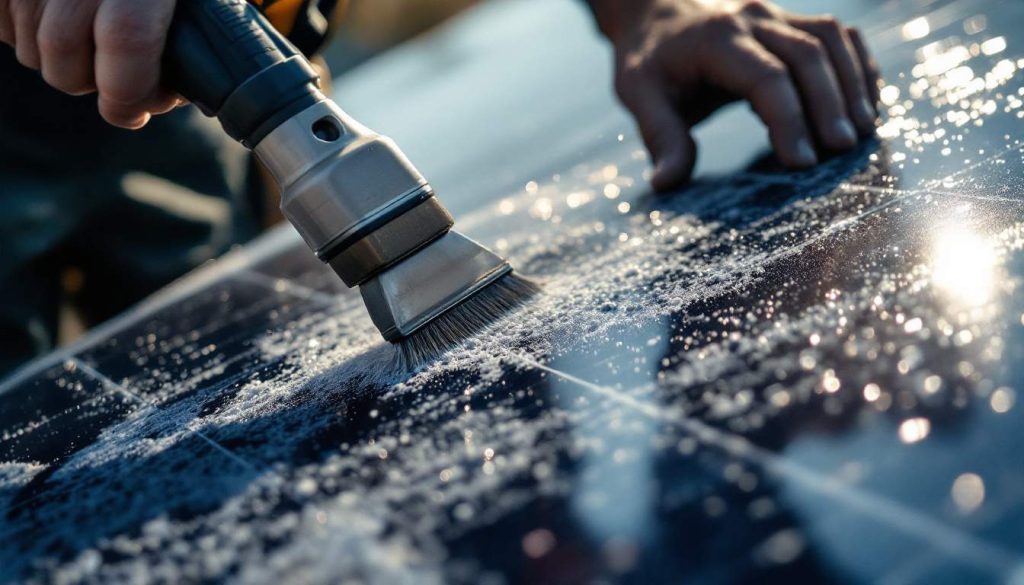
Practical Tips for Energy-Efficient Cleaning
To make a significant impact on both your home’s cleanliness and your environmental footprint, incorporating energy-efficient cleaning methods into your routine is essential. Here, we delve deeper into actionable tips that are not only effective but also sustainable, allowing you to maintain a pristine home while conserving important resources.
One of the easiest ways to start this transition is to rethink the cleaning products you use. While they may promise dazzling results, many conventional cleaners contain harmful chemicals that can be detrimental to both indoor air quality and the environment. Instead, consider these alternatives:
- DIY Cleaning Solutions: Creating your own cleaning mixtures using common household ingredients like vinegar, baking soda, and lemon juice is not only cost-effective but also eco-friendly. For example, a solution of equal parts vinegar and water can effectively clean surfaces and deodorize your home without harsh chemicals.
- Concentrated Cleaning Products: As mentioned earlier, concentrated cleaning solutions require significantly less product per use. This reduces waste not only in terms of packaging but also in terms of energy used to produce and transport the products. Brands offering concentrated formulas often feature refill options, which can further decrease environmental impact.
- Essential Oils for Freshness: Beyond cleaning, essential oils provide a natural way to enhance your home’s aroma. A few drops of lavender or tea tree oil mixed with water can make an excellent air freshener. Their antibacterial properties can also help reduce germs in your living space without the need for synthetic fragrances.
In addition to product choices, consider your cleaning methods and techniques. Efficient cleaning routines can save both time and resources:
- Declutter Regularly: Maintaining an organized space not only diminishes the amount of cleaning required but also makes the process easier and quicker. Spend a few minutes each week to remove unnecessary items, which will reduce dust and dirt buildup.
- Use Microfiber Cloths: Instead of disposable paper towels, invest in reusable microfiber cloths. These cloths trap dirt and dust effectively, reducing the need for harsh chemicals and contributing to a significant decrease in waste.
- Smart Scheduling: Plan your cleaning schedule strategically. Tackle similar tasks together to avoid wasting energy, such as cleaning all surfaces in one session or using the washing machine and dishwasher at full capacity. This not only saves energy but also optimizes time spent cleaning.
By implementing these energy-efficient cleaning methods, you can create a cleaner home while minimizing your impact on the environment. Remember, the choices you make—right down to the cleaning solutions you use—add up, contributing not just to your household but to the wider community efforts aimed at sustainability. Each change you adopt brings you closer to a greener lifestyle without sacrificing cleanliness.
Energy-Efficient Cleaning Strategies
In today’s eco-conscious world, adopting energy-efficient cleaning methods not only helps in reducing our carbon footprint but also cuts down on utility bills. Here are some practical tips to maintain a clean home while being resourceful:
| Category | Description |
|---|---|
| Use of Natural Cleaners | Opt for homemade cleaning solutions using vinegar, baking soda, and essential oils. |
| Wash in Cold Water | Doing laundry in cold water can save significant energy costs while still providing effective cleaning. |
| Microfiber Cloths | Using microfiber cloths instead of disposable wipes reduces waste and cleans effectively without chemicals. |
| Smart Cleaning Schedule | Establish a routine that consolidates cleaning tasks to minimize energy use at peak times. |
| Air-Drying | Instead of using dryers, air-dry your clothes to save energy and extend fabric life. |
Implementing these energy-efficient cleaning methods transforms your cleaning routine into a more sustainable practice that can benefit your wallet and the environment alike. Each choice reflects a commitment to reducing waste and maximizing resource efficiency, paving the way for a greener future.
DISCOVER MORE: Click here for time-saving cleaning strategies
Innovative Tools for Sustainable Cleaning
In addition to rethinking products and improving cleaning routines, integrating innovative cleaning tools can vastly enhance your energy-efficient cleaning efforts. Investing in sustainable equipment not only elevates the effectiveness of your cleaning regimen but also minimizes your carbon footprint.
Consider the following tools that promote cleaner spaces while conserving energy:
- High-Efficiency Vacuum Cleaners: Look for ENERGY STAR-rated vacuums that consume less energy while providing powerful suction. Many modern models come equipped with features like HEPA filters, which trap allergens, helping to maintain a healthier indoor air quality while reducing electricity usage.
- Steam Cleaners: Using steam to clean and sanitize surfaces can drastically cut back on the need for chemical cleaners. Steam cleaners effectively eliminate bacteria and dirt without using significant amounts of water, making them an excellent choice for eco-conscious households.
- Rechargeable Battery-Powered Tools: From cordless brooms to handheld vacuums, battery-powered tools can help you tackle messes with ease while reducing your reliance on energy-sucking corded devices. Moreover, choosing products with replaceable batteries can help extend their life and reduce waste.
Water-Saving Cleaning Techniques
Another pivotal aspect of energy-efficient cleaning methods lies in how you use water. Implementing water-saving techniques can drastically reduce your utility bills and environmental impact:
- Use a Bucket Instead of Running Water: When washing floors or surfaces, fill a bucket with soapy water instead of letting the tap run. This not only conserves water but allows for more effective cleaning, as you can control the amount of water used.
- Use the Dishwasher Wisely: Surprisingly, washing dishes in a dishwasher can actually use less water than hand washing. Wait until the dishwasher is full to run it, and opt for energy-saving cycles that consume less energy and water.
- Install Water-Saving Fixtures: Consider switching to water-efficient showerheads and faucets in your home. These fixtures can reduce water usage significantly without compromising performance, making them a valuable enhancement for your cleaning routines.
Mindful Post-Cleaning Practices
Once your cleaning tasks are complete, it’s crucial to adopt mindful post-cleaning practices to sustain energy-efficient habits:
- Allow for Air Drying: Instead of using a dryer, let freshly washed items like towels and linens air dry. This not only saves energy but also extends the lifespan of your fabrics, which contributes to reduced waste in the long run.
- Organize Cleaning Supplies: Keep your cleaning tools and supplies organized and easily accessible. This practice will streamline your cleaning routine, saving both time and energy as you won’t have to waste resources searching for items.
- Educate Your Household: Share these energy-efficient cleaning methods with family members to ensure that everyone contributes to maintaining a clean, resource-conserving environment. Collective action multiplies the benefits and instills a culture of sustainability at home.
By integrating these innovative tools and techniques, you can elevate your home cleaning practices to be not only effective but also environmentally responsible. Elevating your approach to cleaning through energy-efficient methods proves that maintaining a healthy space does not have to come at the cost of our planet’s resources.
DISCOVER MORE: Click here to enhance your cleaning routine
Conclusion
Embracing energy-efficient cleaning methods is an essential step toward creating a sustainable home environment while also saving on utility costs. By implementing innovative tools such as high-efficiency vacuum cleaners and steam cleaners, you can significantly enhance your cleaning efficiency without compromising on effectiveness. These eco-friendly alternatives not only reduce your carbon footprint but also foster healthier living conditions.
In addition, adopting water-saving techniques—like using buckets instead of running water or utilizing your dishwasher wisely—demonstrates that efficient cleaning is about smart resource management. Investing in water-saving fixtures further amplifies cost savings and minimizes your home’s environmental impact.
Moreover, being mindful in your post-cleaning practices can extend the life of your cleaning supplies and fabrics, ensuring that they continue to serve your home while reducing landfill waste. By organizing your cleaning routines and sharing these strategies with family members, you promote a culture of sustainability that benefits everyone.
In conclusion, the path to a clean and resource-saving home is not only feasible but also rewarding. By adopting these energy-efficient cleaning methods, you become part of a larger movement toward environmental responsibility, illustrating that small changes in daily routines can lead to significant positive impacts. As you explore these concepts further, you’ll discover that maintaining cleanliness does not need to conflict with conserving our planet’s resources.