The role of indoor plants in natural air purification and home cleanliness
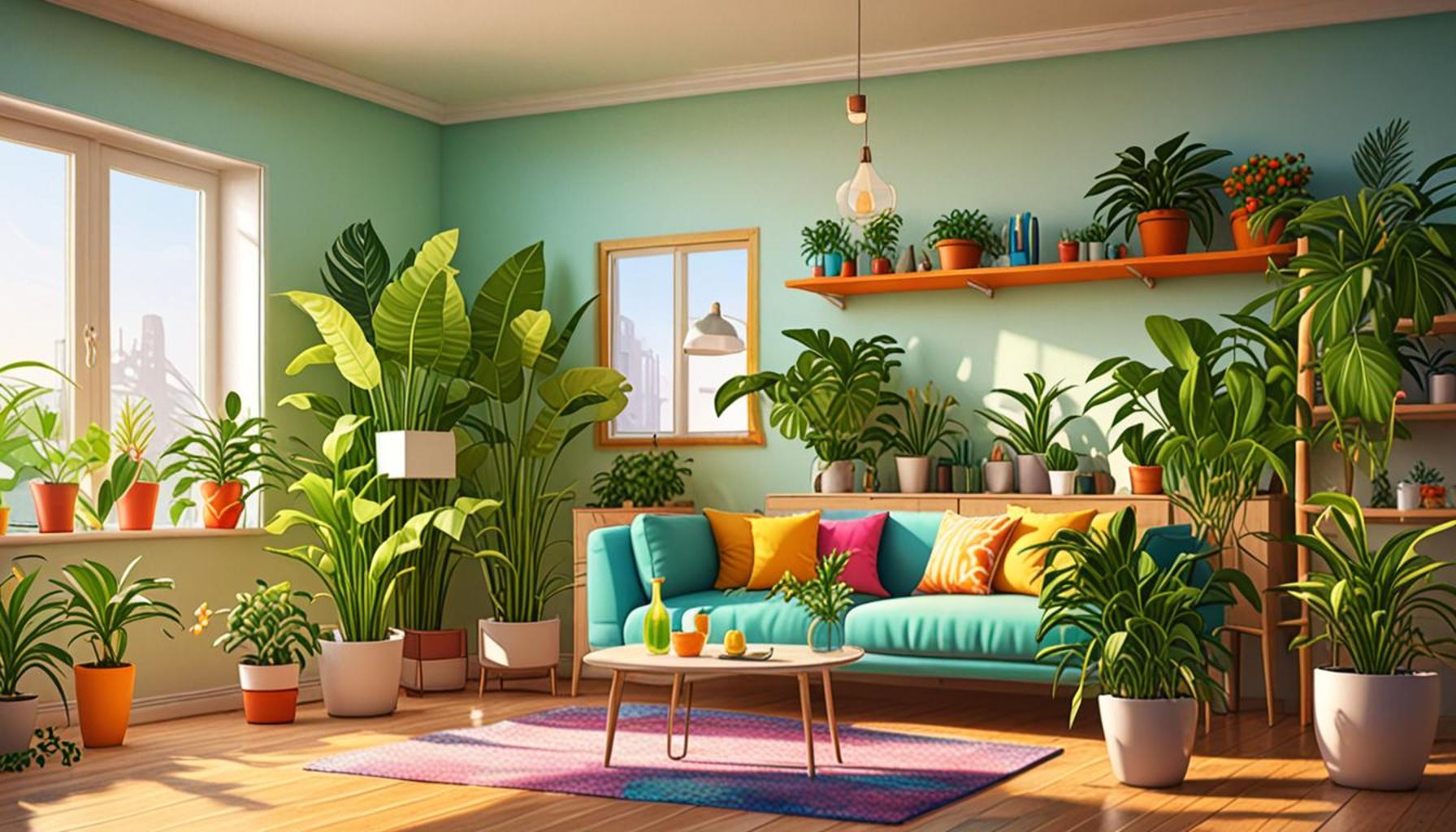
Breathing Life into Your Home
Indoor plants are much more than decorative accents scattered across living spaces; they serve an essential function in elevating the quality of our homes. Those who have integrated greenery into their interiors often report a refreshing atmosphere that not only pleases the eye but also nurtures the soul. Modern research substantiates the claims of indoor plants acting as natural air purifiers and supports the growing trend of biophilic design, which underscores the need for human connection to nature, especially in urban environments dominated by concrete and steel.
Why Indoor Plants Matter
- Air Quality Improvement: Numerous studies demonstrate that certain plants like Bamboo Palm and Rubber Plant can efficiently absorb harmful chemicals such as formaldehyde and benzene, both commonly found in indoor settings. By converting these toxins into food, they release fresh oxygen, making the air healthier to breathe.
- Humidity Control: Particularly in dry climates or during winter months, plants naturally release moisture through a process called transpiration. This process can significantly help in regulating humidity levels in your home, which is beneficial for reducing dry air-related respiratory issues and skin irritations.
- Psychological Benefits: Beyond physical health, indoor plants have been linked to enhanced mood and productivity. Studies reveal that exposure to greenery can lower stress levels and cultivate a sense of calmness. This psychological uplift is not just anecdotal; environments lush with plants are often associated with increased creativity and focus, making them perfect for home offices or study areas.
Among the myriad of choices for indoor plants, several stand out due to their unique benefits:
- Spider plants are famous for their air-purifying abilities. They thrive on neglect, making them excellent for those with busy lifestyles.
- Pothos is prized for its adaptability and resilience, flourishing in low-light conditions while effectively absorbing indoor pollutants.
- Peace lilies are not just beautiful with their striking white flowers; they are incredibly efficient at removing toxins and can even notify you when they need watering by drooping slightly.
Incorporating indoor plants into your home decor is not merely a stylistic choice; it is a conscious strategy aimed at promoting better health and cleaner living conditions. As the awareness of indoor air quality rises, the role of plants transforms from decoration to a vital component of our health and environment. Whether you are a seasoned plant parent or contemplating your first purchase, understanding how these green companions contribute to our overall well-being is essential. Their ability to foster an inviting atmosphere while simultaneously cleaning the air makes them indispensable allies in our quest for a healthier home.
DISCOVER MORE: Click here to learn about zone cleaning methods
Bringing the Outdoors In: The Impact of Indoor Plants
The impact of indoor plants extends far beyond their visual appeal; they play a crucial role in natural air purification and enhancing home cleanliness. As urban living becomes increasingly prevalent, the air quality indoors can degrade, revealing the necessity for practical solutions. Recent studies have highlighted indoor plants’ capacity to detoxify air and contribute to a healthier indoor environment. By including various species in our homes, we take a step towards not just beautifying our spaces but also improving our well-being.
A Botanical Approach to Air Quality
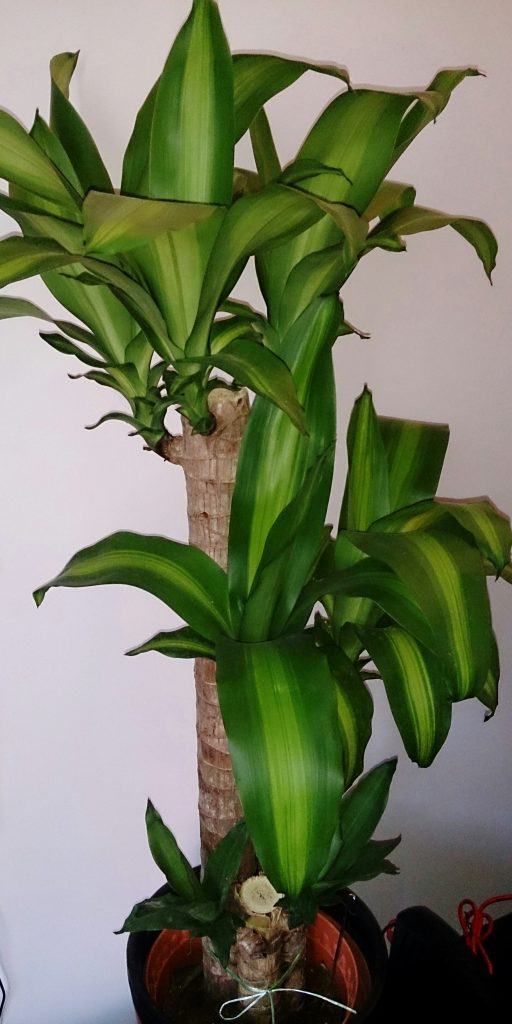
Houseplants can significantly improve indoor air quality by absorbing volatile organic compounds (VOCs). These harmful substances can stem from everyday household products, electronics, and furnishings, leading to adverse health effects. Plants such as the Boston Fern and Areca Palm are particularly effective at tackling these toxins, effectively cleaning the air we breathe. According to a study by NASA, houseplants can remove approximately 87% of indoor air pollutants in just 24 hours, making them invaluable companions in our fight against air quality deterioration.
Moreover, plants like the Snake Plant and Peace Lily are known for their air-purifying prowess. The Snake Plant, also referred to as Mother-in-law’s Tongue, operates uniquely by converting carbon dioxide into oxygen during the night, providing a fresh atmosphere even while we sleep. On the other hand, the Peace Lily excels at removing toxins such as ammonia, benzene, and trichloroethylene, helping to ensure that our indoor air remains as clean and safe as possible.
Humidity Regulation: The Unsung Benefit
Another vital yet often overlooked function of indoor plants is their ability to naturally regulate humidity levels. In many households, especially during dry winters, indoor air can become excessively dry, leading to discomfort, flaky skin, and respiratory issues. Indoor plants contribute to increasing humidity through a process known as transpiration. During transpiration, plants release water vapor from their leaves, which can help mitigate dryness in the air, leading to a more comfortable living environment.
Plants like the Rubber Tree and Spider Plant are particularly well-suited for maintaining optimal humidity levels. The Rubber Tree can release a significant amount of moisture, while the Spider Plant, renowned for its hardiness, can increase humidity and filter pollutants simultaneously, making both excellent choices for homes seeking to improve air quality and comfort.
Beyond Purification: Psychological Well-Being
Indoor plants provide not only physical health benefits but also psychological uplift. Studies indicate that incorporating greenery into living spaces can significantly reduce stress levels, enhance mood, and increase overall productivity. This effect can particularly be observed in home offices and study areas, where the soothing presence of plants encourages focus and creativity.
The relationship between nature and emotional health underscores the importance of cultivating an environment filled with indoor plants. By bringing a piece of the natural world into our homes, we foster a calming atmosphere conducive to relaxation and well-being, which is critical in our fast-paced lives.
As we navigate the dynamics of indoor environments increasingly sticky with pollutants, recognizing the vital role of indoor plants in both natural air purification and keeping our homes clean becomes imperative. Not only do they uplift our spaces visually, but they also contribute significantly to our health and comfort, affirming that these green companions deserve a treasured place within our homes.
Indoor plants play a significant role in enhancing air quality and promoting cleanliness within our homes. One of the fascinating benefits of these green allies is their ability to undergo a natural process known as phytoremediation. This process allows plants to absorb harmful pollutants, such as volatile organic compounds (VOCs) found in common household products. By filtering these toxins from the air, indoor plants contribute to a healthier living environment.Additionally, specific indoor plants like the Spider Plant, Peace Lily, and Snake Plant are celebrated for their air-purifying capabilities. For instance, studies have shown that these plants can remove up to 87% of indoor pollutants within a 24-hour period, making them an essential choice for anyone aiming to improve their air quality. Not only do they enhance the aesthetics of our spaces, but their contribution to air purification also encourages us to breathe cleaner air, reducing the risk of respiratory issues and promoting overall well-being.Moreover, the presence of indoor plants can reduce dust levels, further enhancing home cleanliness. By trapping dust particles on their leaves, plants actively contribute to lowering indoor air pollution. This natural dust control is especially beneficial for individuals with allergies or asthma, as it helps create a more comfortable living atmosphere. Incorporating indoor plants into your home can also enhance your mood and boost productivity. Studies have shown that being surrounded by greenery can reduce stress levels, improve focus, and even uplift one’s general quality of life. Therefore, not only do indoor plants purify the air and reduce allergens, but they also create a tranquil atmosphere that can benefit mental health.In essence, indoor plants serve as a multifunctional asset to our homes. They not only beautify our spaces but also act as natural air purifiers and dust suppressants, leading to an overall healthier living environment. Adopting this green approach can create a symbiotic relationship between us and nature, allowing us to reap the numerous rewards that indoor plants have to offer. To explore this topic further, you may want to investigate different types of indoor plants and learn how to care for them effectively to maximize their air-purifying benefits.
DIVE DEEPER: Click here to uncover the benefits of minimalism
The Multifaceted Benefits of Indoor Plants
Indoor plants take on a multifaceted role, contributing not only to air purification and humidity regulation but also to enhancing the overall aesthetics and atmosphere of our living spaces. In this section, we delve deeper into their contribution to home hygiene, their ability to combat common household odors, and how they promote a sustainable lifestyle.
Natural Odor Neutralizers
One of the less-recognized benefits of indoor plants is their natural capacity to neutralize odors that can linger in our homes. Rather than relying on synthetic air fresheners laden with chemicals, plants such as the Gerbera Daisy and the Lavender provide a refreshing aroma while purifying the air. The Gerbera Daisy not only adds vibrancy to any room but effectively absorbs toxic agents, enabling a cleaner smelling home. Meanwhile, Lavender is renowned for its calming fragrance, making it a favorite addition to bedrooms or relaxation areas.
Furthermore, plants like the Chrysanthemum have shown excellent results in absorbing pollutants like formaldehyde, which is often found in cleaning products and upholstery. By absorbing these unwanted smells and harmful chemicals, indoor plants serve a dual purpose—offering a natural, pleasant scent while promoting a healthier indoor atmosphere.
Enhancing Home Cleanliness
Indoor plants also play a vital role in sustaining comprehensive home cleanliness. Through the process of photosynthesis and respiration, plants engage with their environment, effectively trapping dust and particulate matter. Especially for households with pets or children, having plants around can minimize the accumulation of these allergens. Low-maintenance species such as the Pothos and Spider Plant can be particularly effective, trapping dust particles from the air while thriving with minimal care.
Moreover, some plants possess antibacterial properties that can deter the growth of pathogens. For example, the Aloe Vera plant is celebrated not only for its air-purifying capabilities but also for its healing properties. It can contribute to a healthier home environment by reducing bacteria and ensuring that air quality remains at optimal levels.
Advocates for Sustainability
In addition to their immediate benefits, indoor plants also promote practices that align with a sustainable lifestyle. Engaging with plants can encourage individuals to adopt environmentally friendly habits, such as recycling and reducing waste. Studies indicate that caring for plants fosters a sense of responsibility and environmental consciousness, pushing homeowners to be more vigilant about sustainability efforts.
Vertical gardening and container gardening are trendy ways that urban dwellers can integrate plants into their homes, making the most of limited spaces while improving air quality. Plants like herbs, which can be grown indoors, not only purify the air but provide fresh ingredients for healthy cooking, further minimizing reliance on commercially packaged goods.
This connection between indoor plants and a sustainable lifestyle becomes increasingly important as environmental issues continue to surface globally. By embracing indoor gardening practices, individuals contribute to carbon footprint reduction, promoting not only their immediate living conditions but also the health of our planet.
The emergence of indoor plants as essential components of home décor underscores their essential narrative in natural air purification and cleanliness. As we learn more about their myriad benefits and the positive effects they wield on our well-being and environment, it’s clear that these green allies play an essential role in enhancing our living spaces. Emphasizing their remarkable characteristics leads us to recognize that nurturing plant life within our homes isn’t merely a trend—it’s a vital aspect of fostering health and harmony within our daily lives.
DISCOVER MORE: Click here to learn about time-saving cleaning technology
Conclusion: Embracing Green for a Cleaner Home
The integration of indoor plants into our living spaces transcends aesthetics, serving as powerful allies in natural air purification and home cleanliness. From their capability to neutralize unwanted odors to their role in reducing airborne dust and allergens, plants like the Gerbera Daisy and Aloe Vera contribute significantly to a healthier environment. As we strive for cleaner indoor air quality, these green companions emerge not only as beautiful decorations but also as essential tools for combating common household pollutants.
Moreover, the connection between indoor gardening and sustainability remains vital in our contemporary world. By cultivating plants, individuals foster a deeper awareness of environmental stewardship, promoting practices that align with more sustainable living. Indoor plants encourage the reduction of chemical-laden air fresheners, offering a natural solution while simultaneously enhancing our well-being. Clear examples, such as using herbs for cooking, show how marrying functionality with beauty can further narrow our ecological footprint.
As we embrace indoor plants in our homes, we embark on a journey not only to beautify our surroundings but also to contribute actively to our health and the planet’s well-being. It’s evident that the benefits of nurturing plant life are profound and far-reaching. By understanding and valuing the role of indoor plants in natural air purification and home cleanliness, we cultivate not just greener homes but also a greener future.